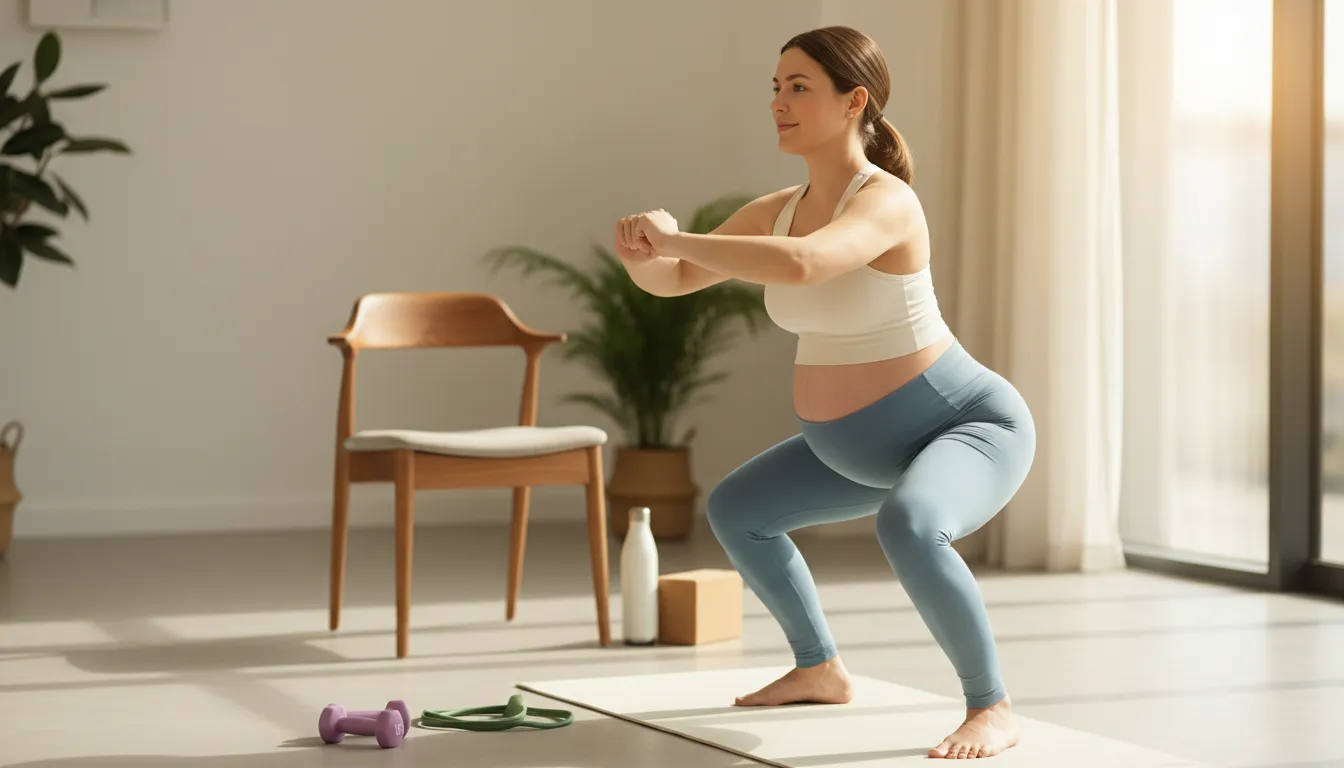
Pregnancy does not have to mean stopping training. It means adapting: adjusting intensity, swapping movements, and prioritizing recovery. If you lift, do CrossFit-style training, or want to keep a fitness routine while pregnant, this guide shows practical ways to stay active safely and consistently.
Table of Contents
- Why exercise during pregnancy matters
- Who this is for
- The foundation: intensity, comfort, and recovery
- How to adapt CrossFit-style or functional workouts while pregnant
- A practical framework for scaling workouts (simple and effective)
- Stretching and mobility during pregnancy: what to do and what to avoid
- Common mistakes to avoid
- What a safe training week can look like
- FAQ
- Key takeaway
Why exercise during pregnancy matters
When programmed thoughtfully, training can support:
- Muscular endurance and baseline strength for day-to-day life and postpartum recovery
- Posture and joint comfort as your center of gravity and body mechanics change
- Cardiovascular fitness through low-impact options or controlled conditioning
- Mental clarity and stress relief through movement and routine
- Better recovery when paired with rest and stretching
Who this is for
This approach is most relevant if you are:
- Already active (lifting, functional fitness, running, sports, or HIIT)
- Looking to maintain strength and conditioning without “pushing through” discomfort
- Training in a group setting and need guidance on scaling and options
If you are brand new to exercise, have pregnancy complications, or have been advised to limit activity, get individualized clearance from your clinician before starting or continuing training.
The foundation: intensity, comfort, and recovery
Pregnancy training is less about “winning workouts” and more about getting the right stimulus safely.
Use discomfort as your dashboard
A useful rule is to train near challenge but avoid movements that create sharp, dragging, or “wrong” sensations. Mild muscle effort is expected. Symptoms that feel like strain, pulling, or pressure should change the plan immediately.
Pick a sustainable weekly rhythm
Consistency beats intensity. Many people do well with:
- 2 to 4 training days per week depending on stage of pregnancy and fatigue
- 1 low-impact or recovery day (active rest, walking, swimming, gentle mobility)
- At least one full rest day when needed
Prioritize recovery habits
Recovery supports training quality. Build in:
- Hydration and regular meals
- Sleep as able
- Mobility and stretching focused on comfort and breathing
- Lower-impact cardio when running feels less appropriate
How to adapt CrossFit-style or functional workouts while pregnant
Many functional workouts can be made pregnancy-appropriate by focusing on movement quality and scaling volume or load. The goal is to keep the stimulus but reduce risk.
Strength work: choose “bracing” you can manage
Heavier lifting is not automatically unsafe, but pregnancy changes how you tolerate intra-abdominal pressure and how your core feels. Use these guidelines:
- Prefer moderate loads that let you maintain control and good positions
- Avoid positions that feel like excessive core strain (especially as pregnancy progresses)
- Reduce range or load if the belly creates awkward mechanics
- Stop sets early if bracing feels “clenched” or uncomfortable
Conditioning: replace high impact when needed
If running or jumping becomes uncomfortable, you can maintain conditioning with low-impact substitutions:
- Bike or Echo Bike (controlled intervals)
- Rowing only if it feels good for your back and breathing
- Incline walking for steady cardio
- Swimming or water walking
You still get a heart-rate stimulus, but with less pounding and less stress on joints.
Bodyweight and pulling movements: scale safely
Upper-body work can remain beneficial, especially for posture. For bar work or pulling movements, use options that match your comfort:
- Reduce assistance or range rather than forcing full ROM
- Use ring rows or band rows if hanging or grip strain feels off
- Keep positions stable and avoid kipping if it creates discomfort
Deadlifts, hinges, and wall-style movements: focus on alignment
Posterior-chain work (hinges) can be a great training stimulus when it feels mechanically sound. For pregnancy adaptation:
- Use lighter loads and cleaner reps
- Consider shorter sessions with fewer total reps
- Prioritize controlled lowering and stable bracing
For movements like wall balls, lunges, and loaded squats, the key is to keep mechanics steady and avoid excessive abdominal stress. Reduce load, adjust height, or swap to a safer carry or machine option if needed.
A practical framework for scaling workouts (simple and effective)
When you walk into a workout, use a quick decision process to choose your scaling options.
Step 1: Decide your training goal for the session
- Get sweat and heart rate up (reduce load, increase smooth effort)
- Maintain strength (moderate weight, fewer reps, crisp technique)
- Move different patterns (swap awkward moves, keep variety)
Step 2: Choose a “comfortable challenge” level
A good target is hard enough to feel effective, but not so hard that your form collapses or your core feels overloaded.
Step 3: Scale volume before load
For many pregnant athletes, reducing total reps or rounds helps more than simply adding a little weight. You can still get the cardiovascular and movement stimulus without overtaxing recovery.
Step 4: Swap movements that trigger symptoms
If a specific movement causes pulling, strain, or discomfort, replace it with a similar pattern that feels better. Example swaps:
- Replace impact with bike, incline walk, or swim
- Replace hanging with row variations or supported pulling
- Replace heavy lifts with lighter loads, slower tempo, or reduced range
Stretching and mobility during pregnancy: what to do and what to avoid
Stretching can help with tightness and post-workout recovery, but it should always stay comfortable. A helpful approach is to combine mobility with breathing and focus.
Build a 10 to 20 minute routine
A simple post-training or daily sequence:
- 5 minutes gentle breathing and positional reset
- 5 to 10 minutes hips, calves, upper back, and chest mobility
- 2 to 5 minutes light core-friendly stabilization and relaxed stretching
Watch for overstretching
Pregnancy can change flexibility. If stretching produces pulling pressure in the abdomen or core area, shorten range or switch to a gentler option. The goal is relief and comfort, not maximal mobility.
Common mistakes to avoid
- Training through sharp or “wrong” discomfort instead of scaling immediately
- Going to failure or chasing heavy PRs during pregnancy
- Ignoring recovery (skipping rest days when fatigue accumulates)
- Assuming running is always interchangeable (some athletes need cycling, swimming, or walking as pregnancy progresses)
- Overdoing stretching or selecting positions that feel like they strain the belly/core
- Using the same load and rep targets as pre-pregnancy without adjusting
What a safe training week can look like
Here is one example structure you can adapt:
- Day 1: Strength and moderate cardio (functional movements, lighter loads)
- Day 2: Low-impact conditioning (bike or incline walk) plus mobility
- Day 3: Technique-focused workout (controlled reps, scaled volume)
- Day 4: Active recovery (swimming or gentle stretching)
- Day 5: Optional light session (upper body, mobility, short intervals)
- Days 6-7: Rest or very easy movement depending on fatigue
FAQ
Is it safe to lift weights while pregnant?
For many people, yes, with the right precautions: moderate loads, excellent technique, symptom-based scaling, and avoiding movements that create uncomfortable strain. Always follow your clinician’s guidance, especially if you have pregnancy complications.
Should I stop running during pregnancy?
Not necessarily. If running feels good and your clinician has not advised against it, you can continue with adjustments. Many switch to low-impact cardio like cycling or swimming when joints, breathing, or comfort change.
How do I scale a high-rep workout like a CrossFit-style metcon?
Scale volume first (fewer rounds or reps), reduce loads, and choose movement variations that stay comfortable. Keep the goal as a controlled sweat or conditioning stimulus rather than grinding for intensity.
Is stretching every day recommended?
Gentle stretching and mobility can be beneficial daily, but it should feel good. Use breathing, avoid overstretching, and stop or modify positions that create pulling pressure or discomfort in the abdomen or core.
What should make me stop a workout immediately?
Stop and seek medical advice if you experience bleeding, dizziness, chest pain, shortness of breath beyond normal exertion, severe headache, abdominal pain, or leaking fluid. When in doubt, prioritize medical guidance over training.
Key takeaway
Training through pregnancy is about adapting intelligently. Aim for consistent movement, control your intensity, swap uncomfortable exercises for low-impact or more stable options, and support recovery with mobility and rest. With symptom-based scaling, you can stay strong, move well, and maintain both physical and mental wellbeing.






0 Comments